
Top 6 Lord Shiva Mythological Books to Read in 2026
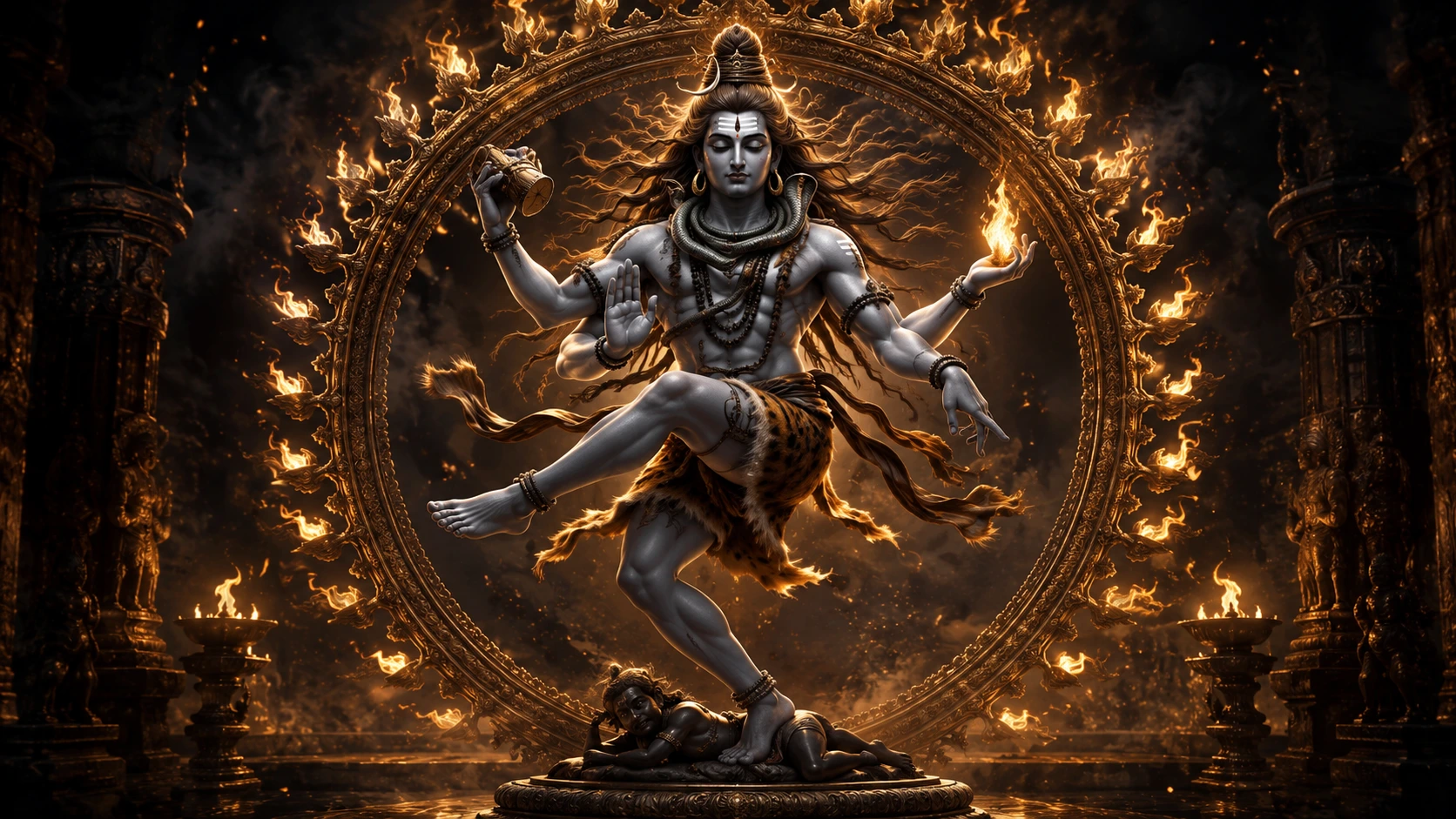
Lord Shiva — the destroyer, the ascetic, the cosmic dancer — has inspired more retellings, reinterpretations, and reimaginings than almost any other figure in Hindu mythology. Whether you’re drawn to his role as the Adiyogi (the first yogi), his fierce Rudra form, or the philosophical depth of Shaivism, there’s a book out there that matches your curiosity.
Here are five books worth adding to your 2026 reading list, ranging from fast-paced mythological fiction to scholarly, symbol-rich non-fiction.
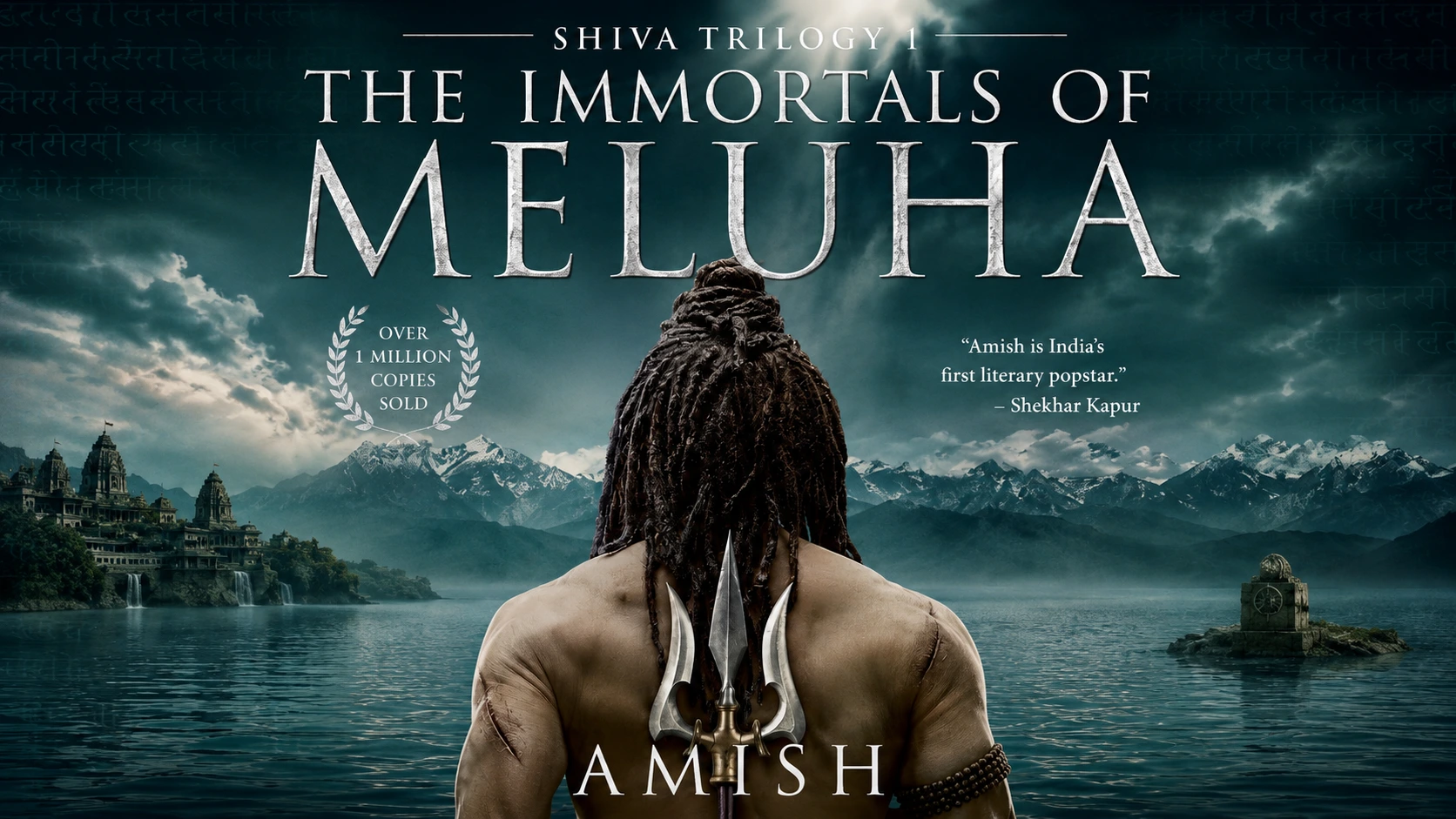
1. The Immortals of Meluha — Amish Tripathi
If you want a gateway into Shiva mythology that reads like a thriller, start here. The first book in Amish Tripathi’s bestselling Shiva Trilogy imagines Shiva not as a god from the outset, but as a Tibetan tribal chief in 1900 BCE who migrates to the kingdom of Meluha and is gradually recognized as the prophesied “Neelkanth” — the destroyer of evil.
What makes this book so re-readable is how it grounds mythology in a plausible ancient world: the Harappan-inspired city of Meluha, the political tension between Suryavanshis and Chandravanshis, and a Shiva who is brave, flawed, and deeply human before he becomes divine. It’s an ideal entry point for readers who find traditional Puranic texts dense, and a fun contrast for readers who already know the Puranas and want to see the myth reimagined as epic fantasy.
**Best for:** Readers who love mythological fiction, fast plots, and world-building.
🔗 Buy on Flipkart: https://fkrt.co/8GCNHo
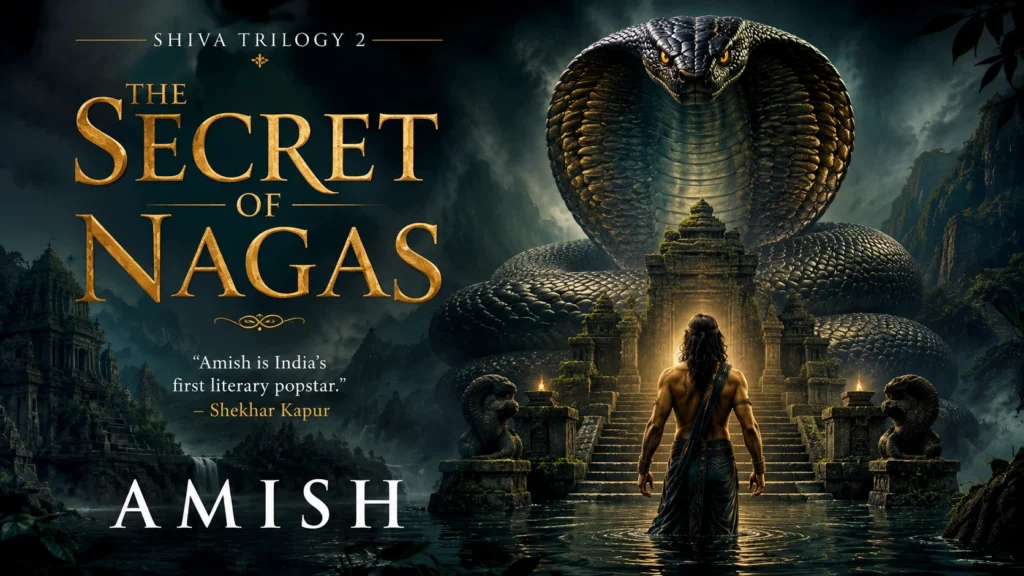
2. The Secret of the Nagas — Amish Tripathi
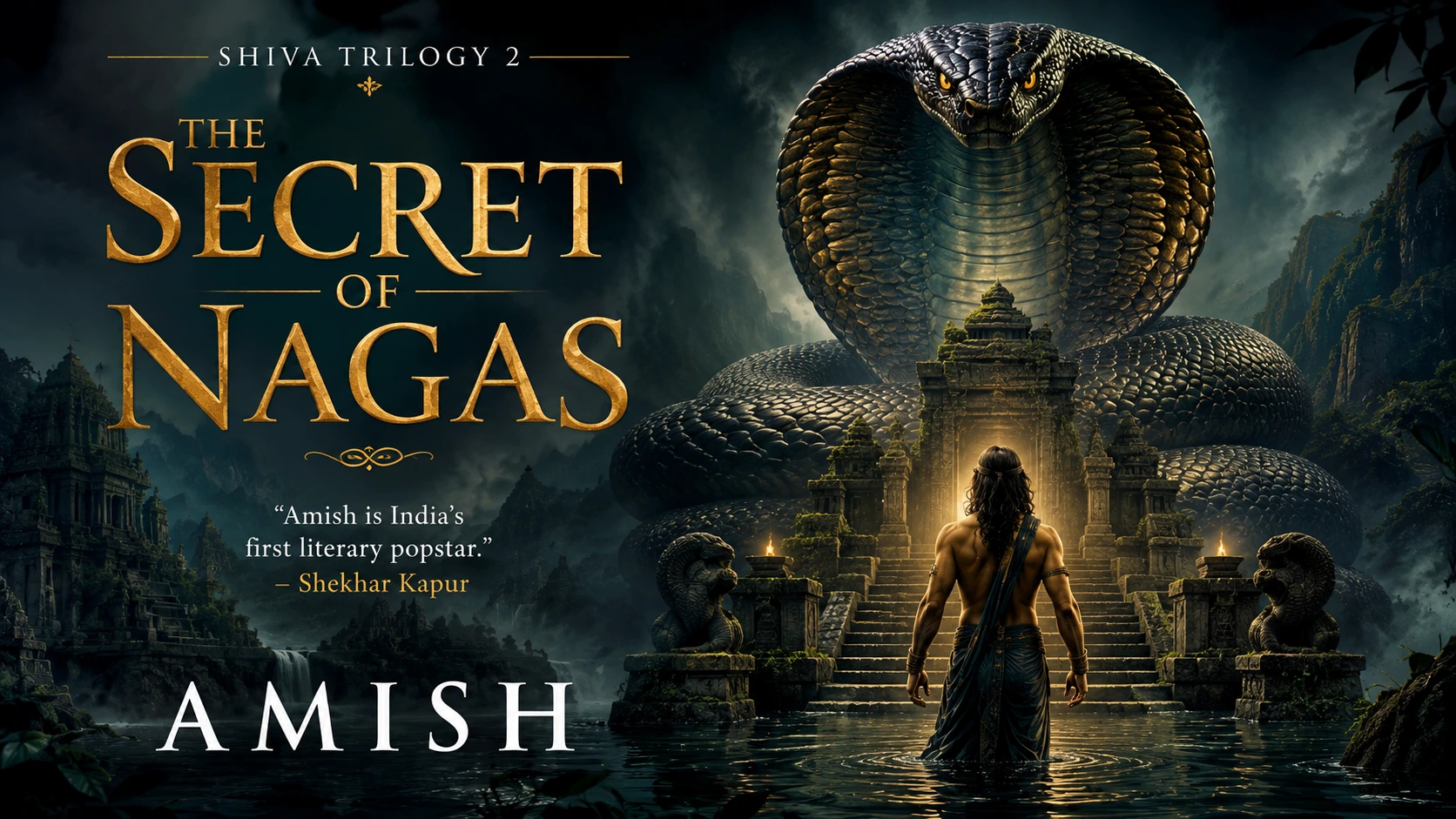
The middle book of the Shiva Trilogy is where the series shifts from origin story to genuine mystery. Shiva is now recognized as the Neelkanth, but he’s haunted by the Nagas — a cursed, serpent-featured people blamed for every act of terrorism in Meluha. As Shiva hunts for the Naga responsible for a devastating attack, the story steadily dismantles the simple good-versus-evil framing set up in the first book.
This is also where the trilogy’s emotional core deepens, particularly through Shiva’s relationship with Sati and the reveals about her past. Structurally, “The Secret of the Nagas” works almost like a detective novel wrapped in mythology — clues, betrayals, and a slow unraveling of who the “villains” really are. It’s an essential bridge between the world-building of “The Immortals of Meluha” and the philosophical reckoning of “The Oath of the Vayuputras”, and skipping it would leave a real gap in the trilogy’s arc.
**Best for:** Readers who’ve finished “The Immortals of Meluha” and want the mystery and stakes to escalate before the trilogy’s conclusion.
🔗 Buy on Flipkart : https://fkrt.co/5tGrLc
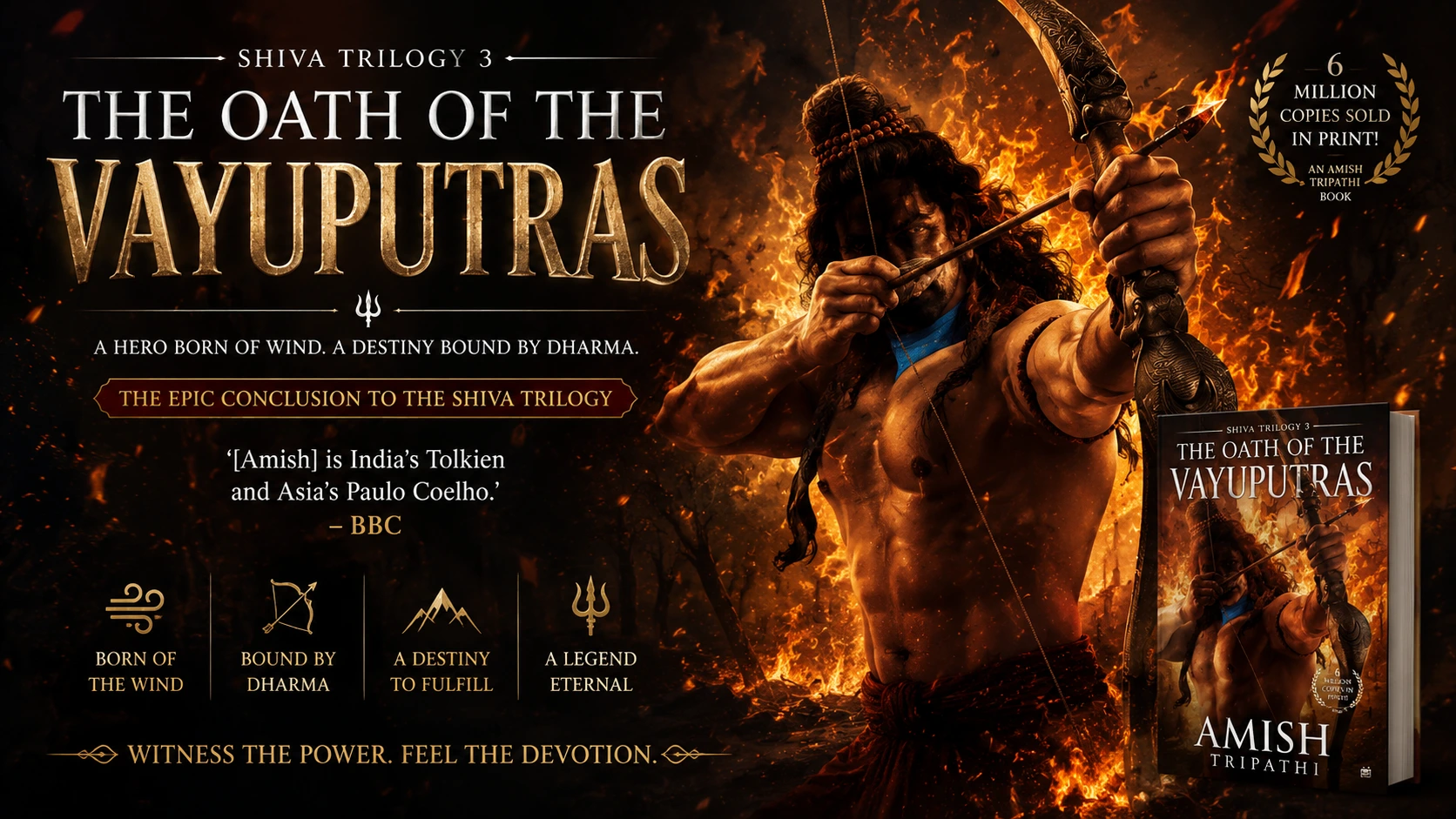
3. The Oath of the Vayuputras — Amish Tripathi
The third and final book of the Shiva Trilogy deserves its own spot on this list because it’s where the series truly earns its philosophical weight. By this point, Shiva has accepted his destiny as the Neelkanth, but the book forces him — and the reader — to confront a much harder question: what does it actually mean to fight evil, when evil isn’t a person but a set of choices and unintended consequences?
This installment pulls together every thread from the earlier books — the Nagas, the Vayuputras, the secret of the Somras — into a conclusion that’s less about swordplay and more about moral ambiguity. It’s a satisfying capstone to a trilogy that turns Shiva’s mythology into a meditation on duty, sacrifice, and the cost of righteousness.
**Best for:** Readers finishing the trilogy, or anyone who enjoys mythological fiction with a philosophical payoff.
🔗 Buy on Flipkart: https://fkrt.co/XasaC0
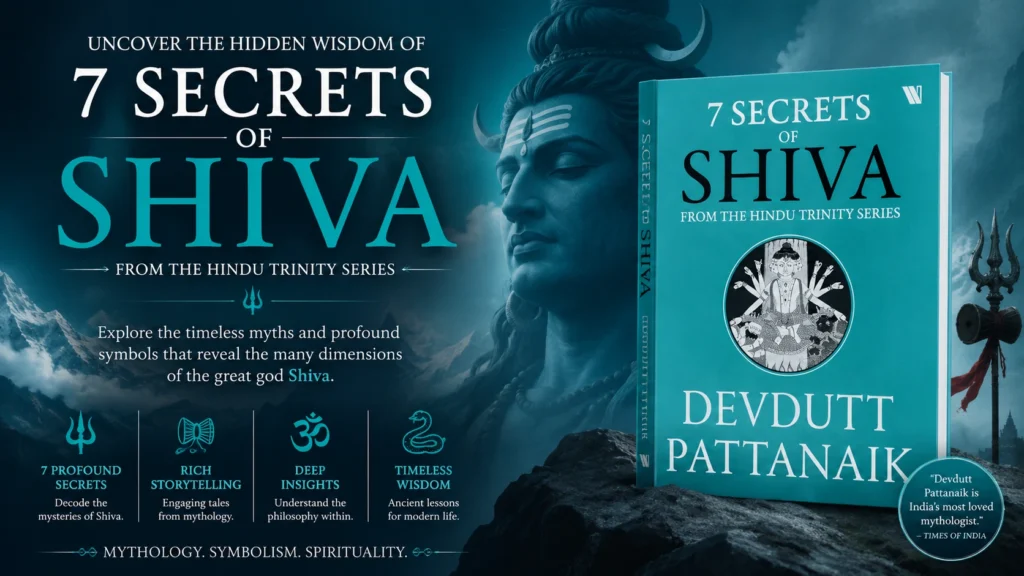
4. 7 Secrets of Shiva — Devdutt Pattanaik
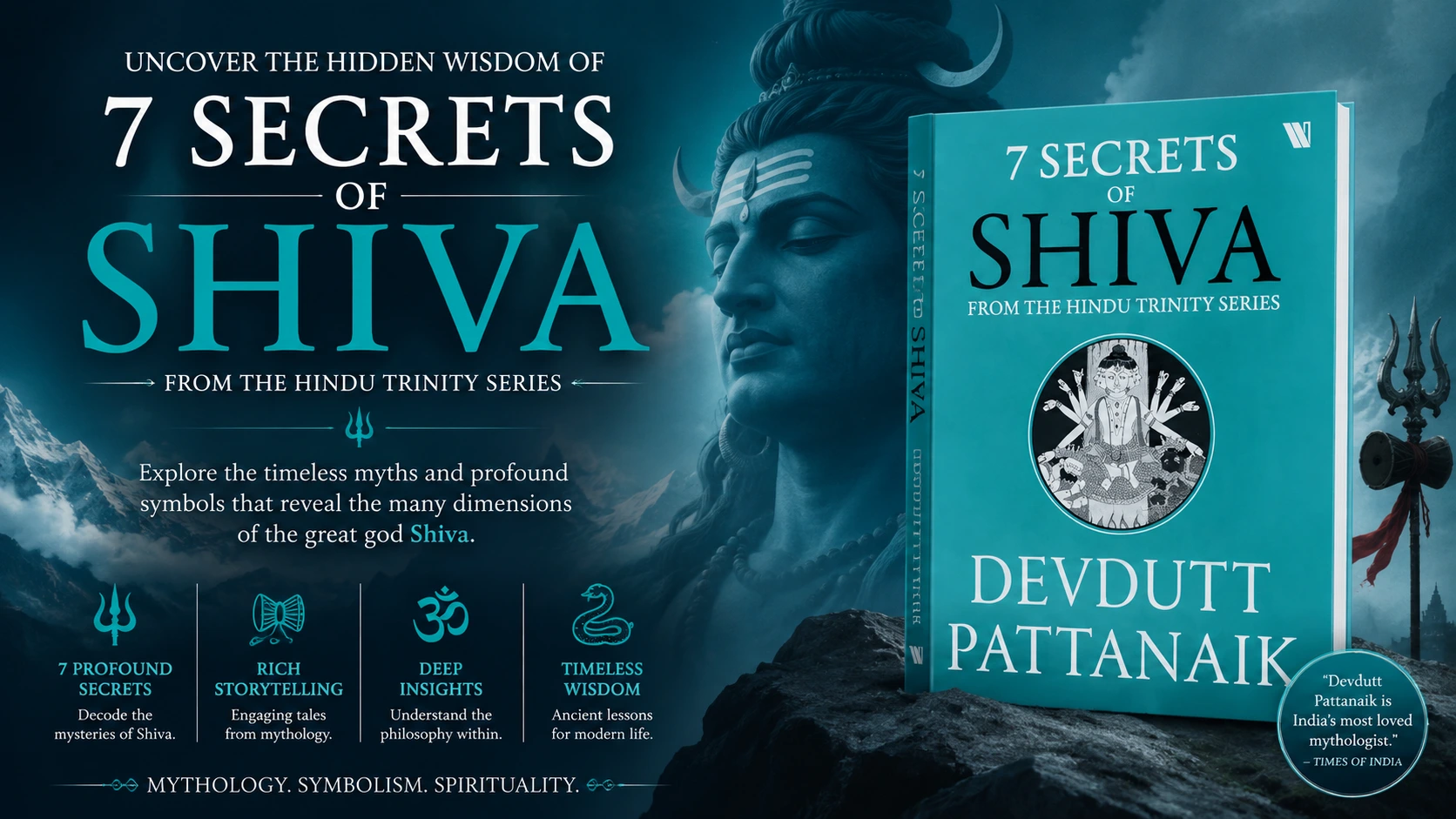
Devdutt Pattanaik is one of India’s most prolific mythologists, and *7 Secrets of Shiva* is arguably the best non-fiction starting point for understanding what Shiva actually represents in Hindu thought — not just as a character in a story, but as a symbol system.
The book unpacks seven core ideas associated with Shiva: his linga form, his role as Nataraja (cosmic dancer), his asceticism, his marriage to Shakti, his identity as Ardhanarishvara (half-male, half-female), his fierce Bhairava form, and more. Pattanaik’s signature style — short chapters, simple language, and hand-drawn illustrations — makes complex Shaivite philosophy genuinely approachable without dumbing it down.
If you’ve ever wondered why Shiva is depicted with a crescent moon, a snake around his neck, ash on his body, or why he’s both the destroyer and a benevolent household god, this book answers those questions directly.
**Best for:** Readers who want to understand the symbolism and philosophy behind Shiva, not just the stories.
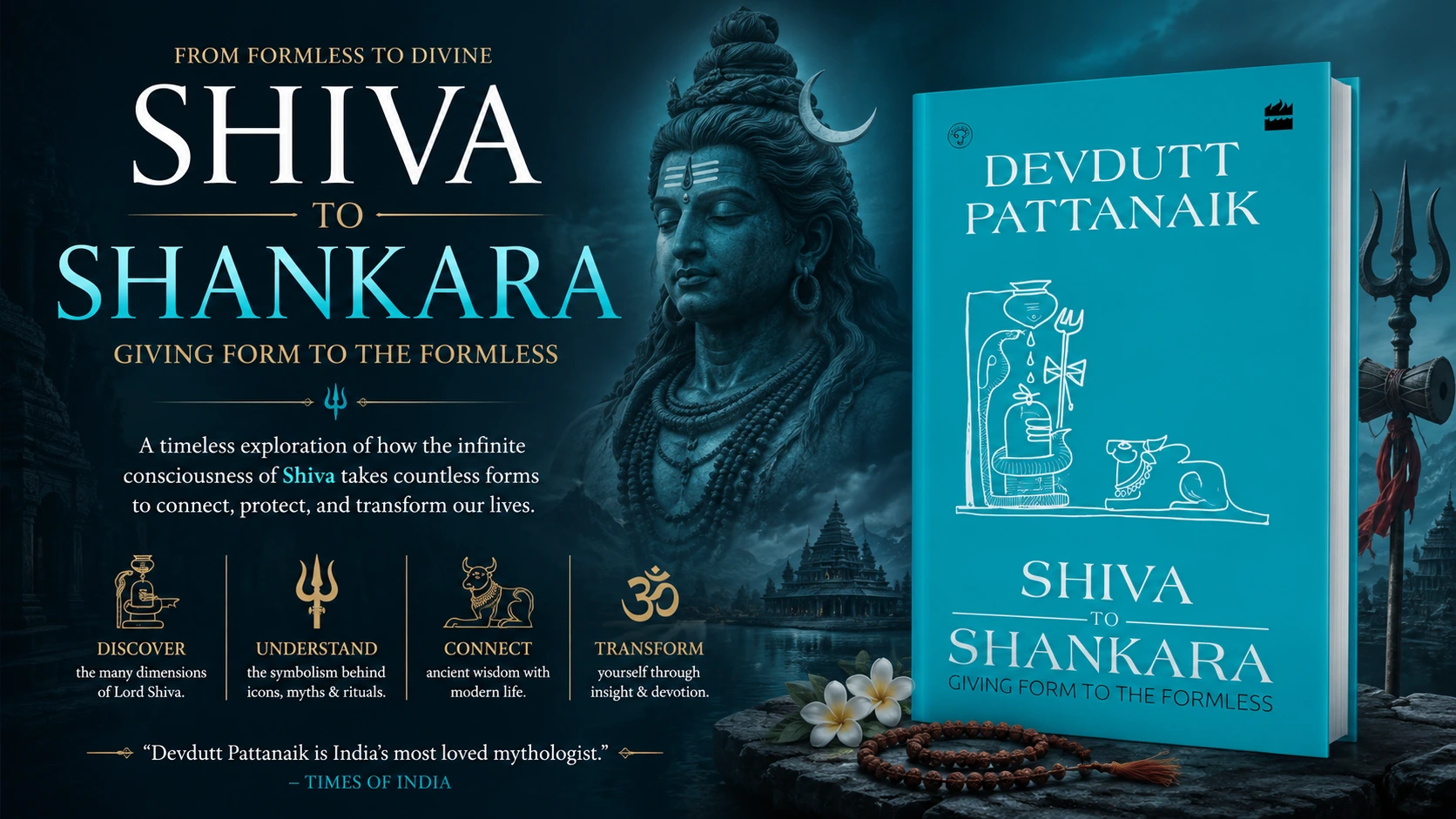
5. Shiva to Shankara: Giving Form to the Formless — Devdutt Pattanaik
A companion piece to *7 Secrets of Shiva*, this book takes a slightly different angle: it traces how a wild, formless, ascetic deity from the fringes of Vedic society was gradually absorbed into the mainstream Hindu pantheon and given form — literally and culturally — as Shankara, the “auspicious one.”
Pattanaik explores how Shiva’s iconography evolved over centuries, how regional cults merged into a pan-Indian deity, and how tribal and Puranic traditions blended to create the Shiva worshipped today. It’s a shorter, more focused read than *7 Secrets*, and works well as a follow-up once you’ve got the basics down.
This one is particularly good if you’re interested in the *history* of mythology — how gods change over time as cultures absorb and reinterpret them — rather than just the myths themselves.
**Best for:** Readers interested in the cultural and historical evolution of Shiva worship.
🔗 Buy on Flipkart : https://fkrt.co/rpZzDY
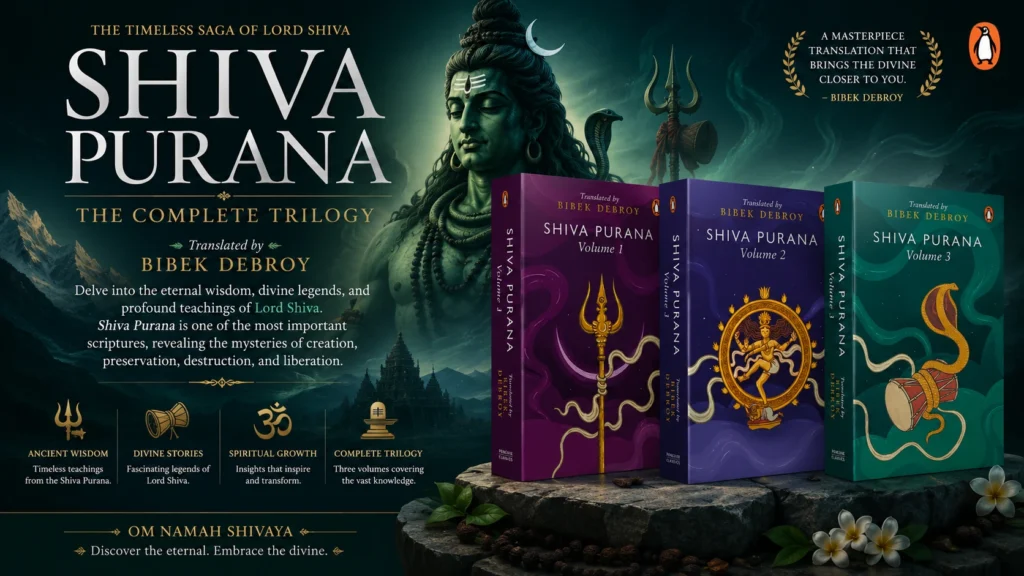
6. The Shiva Purana (translated edition)
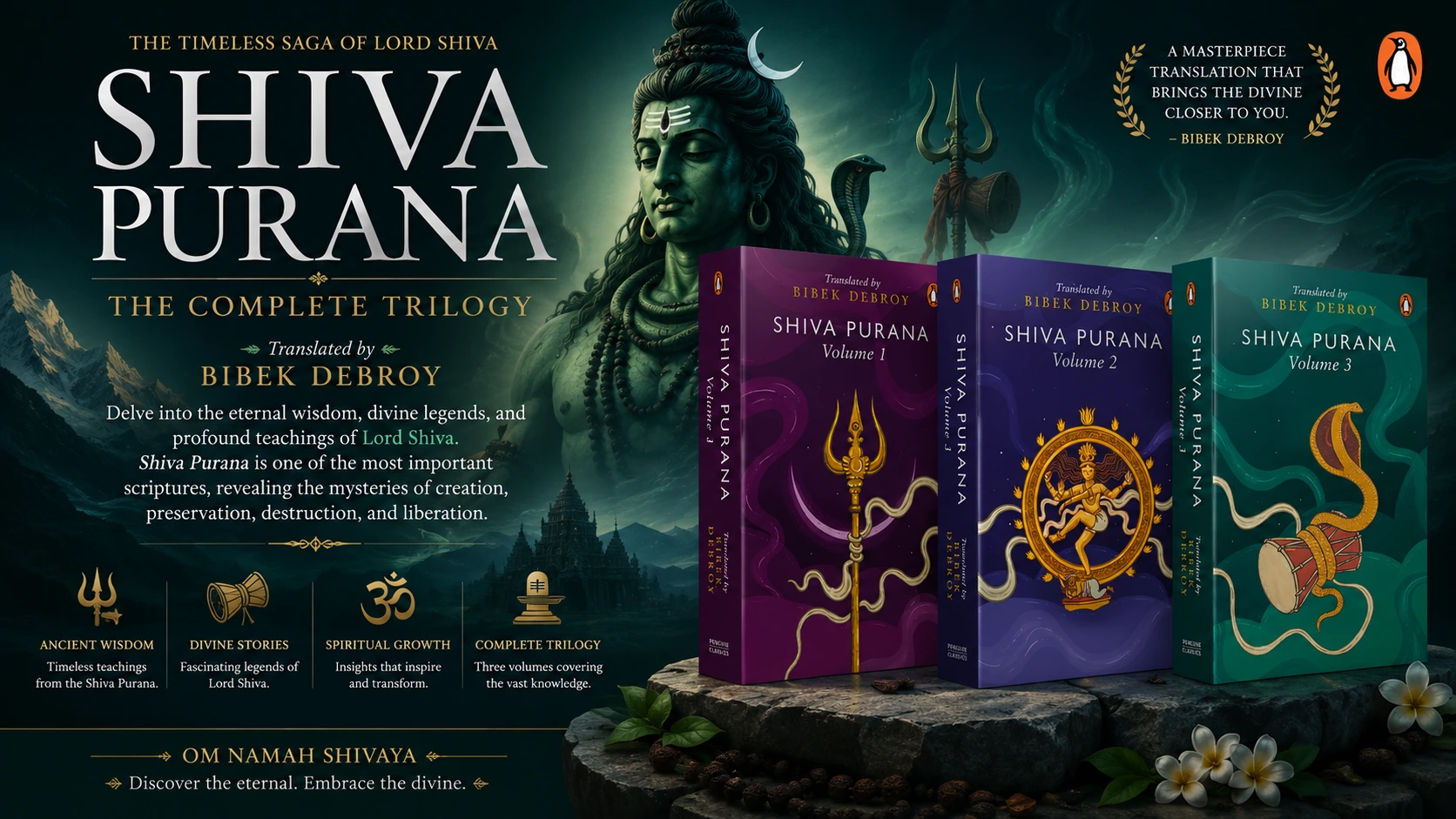
No list of Shiva mythology books would be complete without the source material itself. The Shiva Purana is one of the eighteen Mahapuranas and the primary scriptural text dedicated entirely to Shiva — covering his origin stories, his marriage to Sati and later Parvati, the birth of Ganesha and Kartikeya, the story of the linga, and detailed philosophical discussions on Shaivism.
Reading the original (or a well-translated edition) is a different experience from reading modern retellings. It’s denser, more repetitive in places, and structured very differently from a novel — but it’s also the wellspring that every modern author, including the ones above, draws from. Look for translations by respected Indologists or reputable publishers (J.L. Shastri’s translation for Motilal Banarsidass and Bibek Debroy’s more recent translations are both well-regarded) rather than uncredited condensed versions.
This is the book to read once you’ve built context from the others — the myths will feel far more resonant once you already know the characters and themes.
**Best for:** Readers ready to go to the source, or anyone who wants the full, unabridged mythology.
🔗 [Buy on Flipkart: https://fkrt.co/qjfeKs
How to Choose Where to Start
If you’re new to Shiva mythology, a natural reading order looks like this:
1. Start with fiction — “The Immortals of Meluha”to get hooked on the character and world.
2. Raise the stakes — “The Secret of the Nagas” to dig into the trilogy’s central mystery.
3. Finish the arc — “The Oath of the Vayuputras” to see the story (and its themes) through to the end.
4. Switch to symbolism — “ Secrets of Shiva ” to understand what the imagery actually means.
5. Go deeper into history — “Shiva to Shankara” to see how the deity evolved culturally.
6. Read the source— “The Shiva Purana” to experience the original scripture with full context.
This order moves from accessible to advanced, from story to symbol to scripture — which tends to be the most rewarding way to build a real understanding of Shiva mythology rather than just collecting disconnected facts.
Final Thoughts
Shiva is one of the most layered figures in world mythology: he’s an ascetic and a householder, a destroyer and a protector, formless and yet endlessly depicted in form. No single book captures all of that — which is exactly why reading across genres, from mythological fiction to scholarly non-fiction to the Puranas themselves, gives you the richest picture.
Whichever book you start with in 2026, you’ll come away with a deeper appreciation for why Shiva remains one of the most enduring and reinterpreted figures in Hindu tradition today.
Disclosure: This post contains affiliate links. As an Flipkart Associate, we may earn a commission from qualifying purchases at no extra cost to you.*